The Lyceum: Industry Weekly — Aug 14, 2026

Photo: lyceumnews.com
Week of August 14, 2026
The Big Picture
Hollywood’s recovery is real—but concentrated. A handful of enormous movies are carrying theaters, premium screens, streaming libraries and corporate strategy at once. Meanwhile, Paramount has tied an October 1 relocation threat to its merger fight, a reminder that every sweeping vision of Hollywood’s future eventually comes with a deadline, a fee and several thousand jobs.
This Week's Stories
Spider-Man’s Second Weekend Settles the Superhero-Fatigue Debate
Last week, we said a strong second weekend for Spider-Man: Brand New Day would suggest Hollywood’s problem is weak attachment, not universal superhero fatigue. Audiences have now delivered their verdict—with unusual enthusiasm.
The Associated Press reported that Brand New Day earned an estimated $144.5 million in North America during its second weekend—the first Sony release to clear $100 million in that frame—and crossed $1 billion worldwide in six days. It did not merely surge before spoilers arrived. It kept selling tickets.
If that momentum holds, studios gain a powerful argument for concentrating money behind the small number of characters audiences genuinely love. The risk is obvious: executives may treat one exceptional franchise as permission to greenlight every familiar logo they own. Week-three attendance—and whether films without Spider-Man’s cultural gravity can hold nearly as well—will show whether this is a broader market recovery or simply one hero doing everyone else’s lifting.
Paramount Put an October 1 Deadline on Its California Future
Paramount CEO David Ellison has turned an antitrust dispute into a relocation ultimatum. Variety reported that Paramount’s board approved preparations to begin moving the company out of California on October 1 unless California Attorney General Rob Bonta enters settlement talks over Paramount’s proposed $111 billion acquisition of Warner Bros. Discovery. (Warner Bros. Discovery’s Weak Quarter Makes the Deal Drama Look Less Like a Paus)
The deadline is active—and expensive. According to Variety, Paramount will begin accruing a $7 million daily fee payable to Warner Bros. Discovery shareholders on October 1, potentially adding roughly $1.2 billion before the states’ antitrust trial concludes. Texas, Tennessee and Georgia are among the possible destinations, although Paramount has not selected a new headquarters. (Warner Bros. Discovery’s Weak Quarter Makes the Deal Drama Look Less Like a Paus)
If the threat produces settlement talks, other companies may learn that jobs and tax revenue can be useful leverage against state regulators. If Paramount starts seeking incentives, signing leases or formally notifying employees, the move becomes operational rather than theatrical. If none of that happens as October 1 approaches, California can reasonably treat the moving van as a prop.
One Paramount Merger Lawsuit Is Gone. The Important Ones Aren’t.
A federal judge dismissed a lawsuit brought by Paramount+ subscribers seeking to block Paramount’s proposed Warner Bros. Discovery acquisition, Variety reported. The judge found that the subscribers had not demonstrated a concrete economic injury. (Warner Bros. Discovery’s Weak Quarter Makes the Deal Drama Look Less Like a Paus)
One obstacle is gone. The cases carrying greater regulatory weight are not: the state antitrust action and the Writers Guild of America’s separate challenge remain unresolved.
If those cases proceed quickly, Paramount may still defend the transaction’s financial logic before its delay costs become overwhelming. Failure looks less dramatic but more damaging: prolonged litigation, mounting daily fees and increasingly visible efforts to cut costs elsewhere. The next meaningful signal is not another rhetorical broadside—it is a trial timetable or settlement negotiation involving the remaining named challengers.
Disney Crossed $4 Billion by Making Movies That Sell Everything Else
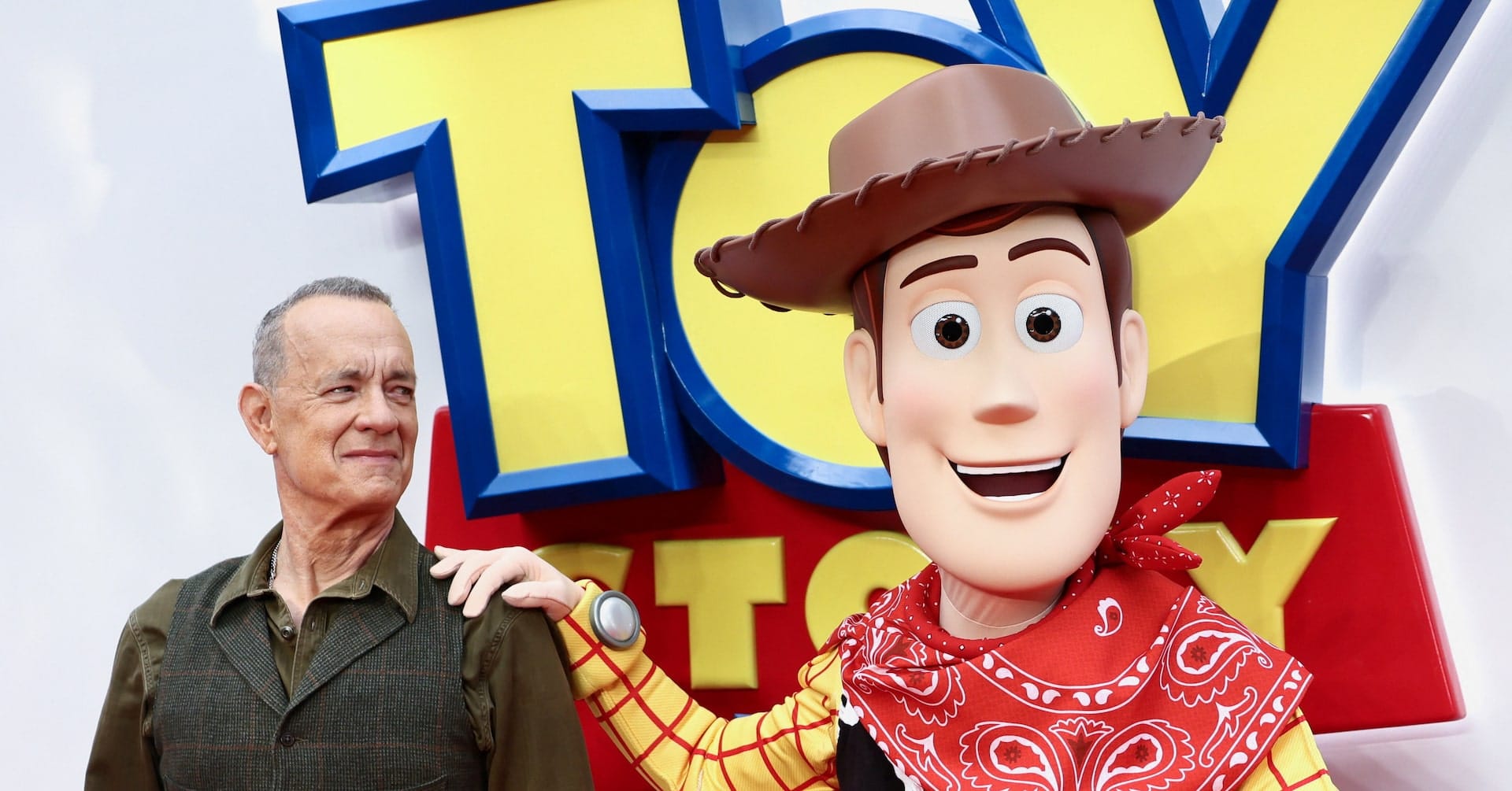
Disney has crossed a threshold that matters far beyond ticket sales. Deadline reported that Walt Disney Studios has crossed $4 billion at the 2026 global box office, becoming the second studio after Universal to reach the mark. Toy Story 5 has earned more than $1.095 billion worldwide, while The Devil Wears Prada 2 was approaching $692 million.
Disney’s advantage is not simply that these movies sell tickets. A Pixar hit can feed Disney+, merchandise and theme-park demand; a Prada sequel can begin in theaters before strengthening Disney’s streaming bundle. The movie becomes the brightly lit entrance to a much larger store.
The model succeeds if theatrical hits produce measurable gains elsewhere in Disney’s business. It fails if every division merely claims credit for the same audience while production and marketing costs keep rising. Disney’s coming subscriber, merchandise and licensing results will show whether the flywheel is turning—or whether everyone is just standing around admiring it.
Christopher Nolan Made the Screen Part of the Movie
Christopher Nolan has made the screen itself part of the attraction. Variety reported that The Odyssey reached $1.1 billion worldwide, surpassing The Dark Knight Rises as Christopher Nolan’s highest-grossing film. It also became the biggest IMAX release on record with $289 million, including $37.5 million from just 41 IMAX 70mm locations. (Christopher Nolan Has Turned IMAX Into a Luxury Brand)
Nolan has transformed technical scarcity into a luxury product. The limited number of premium screens creates urgency, supports higher ticket prices and makes waiting for streaming feel like settling for the wrong version.
If other filmmakers can persuade audiences to pay for a format—not merely a title—studios and exhibitors will invest more aggressively in premium auditoriums. If comparable tentpoles fail to command the same demand, The Odyssey becomes evidence of Nolan’s singular leverage rather than a reproducible strategy. Watch the price premiums and occupancy rates for the next major non-Nolan IMAX release.
Netflix Is Paying to Keep *Seinfeld* in the Building
Netflix is paying to keep one of television’s most durable utility players on the roster. Sony Pictures Television extended Netflix’s Seinfeld license for five years, Variety reported, while Paramount renewed its U.S. cable rights for three years across Comedy Central, TV Land and other networks. Variety also reported, citing Nielsen, that the series reached 60 million Americans during the first half of 2026, counting anyone who watched at least one minute. (Netflix Is Paying to Keep the Show About Nothing)
That one-minute threshold does not reveal engagement or retention. But the deal shows why old television has become streaming infrastructure: familiar library shows fill the space between expensive originals, arrive without production risk and can be licensed across competing outlets. (Netflix Is Paying to Keep the Show About Nothing)
The strategy works if Seinfeld keeps viewers inside Netflix and supplies dependable viewing at a lower cost than another prestige gamble. It fails if broad reach disguises shallow consumption and nostalgia becomes expensive wallpaper. Netflix’s placement of the series—and whether Sony keeps finding overlapping buyers—will reveal how much operational value “the show about nothing” actually provides. (Netflix Is Paying to Keep the Show About Nothing)
HBO’s Dragons Refused to Lose Altitude
HBO’s dragons are still flying at nearly the same altitude. Variety reported that the third-season finale of House of the Dragon reached 21 million viewers worldwide during its first three days, including more than 11 million in the United States. The season is averaging 34 million viewers per episode, according to Warner Bros. Discovery, close to Season 2’s 35 million.
The global total combines Nielsen’s cable measurement with Warner Bros. Discovery’s own streaming data, making it company-disclosed rather than independently audited. Even with that caveat, a nearly stable third-season audience is valuable for a franchise vulnerable to fatigue—and for a company whose ownership and spending plans remain unsettled. (Warner Bros. Discovery’s Weak Quarter Makes the Deal Drama Look Less Like a Paus)
Success means HBO can keep using George R.R. Martin’s universe as reliable global subscription infrastructure. Failure would appear as weaker viewing for subsequent spinoffs, rising production costs or no corresponding improvement in retention. The next franchise premiere will tell us whether viewers love this world or only this particular dragon.
⚡ What Most People Missed
- Obsession built a revenue ladder: Mashable reported that the horror hit moved to premium digital rental on June 30 before reaching Peacock on July 17; its licensing structure later gives Netflix a ten-month window before the film returns to Peacock. Rather than demand permanent exclusivity, NBCUniversal is turning rival platforms into successive sales counters.
- Netflix’s 45-day conversion: Variety reported that Netflix intends to preserve roughly 45-day theatrical windows for Warner Bros. films if its proposed acquisition closes. Ted Sarandos saying he wants to “win the box office” is less a surrender to old Hollywood than an admission that theaters remain valuable marketing, revenue and prestige machinery.
- Barbie 2 has an active clock: Variety reported that Warner Bros. has made more than six offers to Greta Gerwig, Margot Robbie, Ryan Gosling and Noah Baumbach, with talks stalled over upfront compensation and profit participation. The live-action rights could revert to Mattel if another movie does not enter active development within roughly four months, leaving Warner Bros. negotiating against both proven talent and a ticking Dreamhouse.
- Netflix’s upfront got much larger: TheWrap reported that Netflix closed its 2026 upfront—the advance sale of advertising inventory—with commitments nearly double the previous year’s level. Netflix did not disclose a dollar amount or identify the advertisers, so the direction is clearer than the scale.
- An Australian hospital drama found 100 markets: Variety reported that Stan’s The F Ward has been sold through Paramount Global Content Distribution to buyers including Channel 4, JioHotstar, HBO Asia, Claro video and SkyShowtime. It is a useful reminder that international television can still become a global business through territory-by-territory licensing rather than one borderless platform.
📅 What to Watch
- If Spider-Man: Brand New Day remains unusually strong in its third weekend, it means studios will treat audience attachment—not genre—as the scarce commodity worth funding.
- If Paramount begins applying for relocation incentives before October 1, it means the California threat has crossed from antitrust leverage into workforce planning.
- If Netflix grants most Warner Bros. releases a genuine 45-day theatrical run, it means theaters have become part of the streamer’s customer-acquisition strategy rather than a concession to filmmakers.
- If Disney reports merchandise or streaming gains tied to Toy Story 5, it means theatrical box office is becoming an incomplete measure of what a movie is worth.
- If non-Nolan releases command similar IMAX premiums, it means premium formats are developing durable brand power independent of any one filmmaker.
- If Warner Bros. contracts Greta Gerwig, Margot Robbie, Ryan Gosling and Noah Baumbach before Mattel’s rights deadline tightens, it means proven talent has successfully converted franchise urgency into bargaining power.
The Closer
Spider-Man is taking a week-two victory lap. David Ellison is measuring the Paramount water tower for a moving van, and Christopher Nolan has put a velvet rope around 41 movie screens. Meanwhile, Netflix is spending another five years proving that the most dependable infrastructure in streaming may still be George Costanza lying to someone.
Mind the windows.
Forward this to the friend who knows every movie has a second act—and every studio has a fee schedule. (Christopher Nolan Has Turned IMAX Into a Luxury Brand)